
Have your plants suffered this summer? 3 steps to help them recover
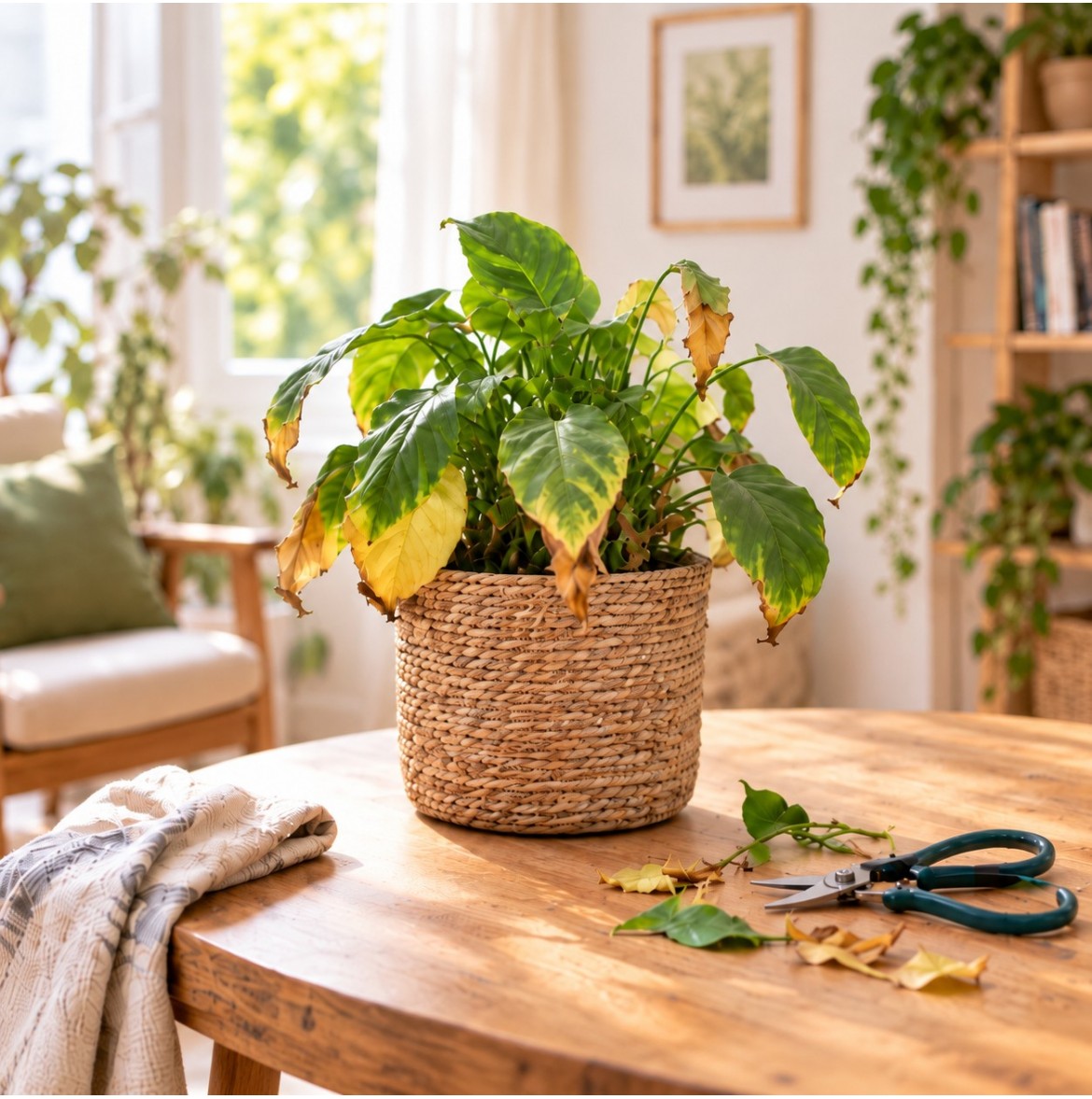
Summer can be a challenging time for our plants.
Hotter weather, changes in daylight hours, holidays and a few days without watering (or too much watering before we leave) can mean coming home to dry leaves, drooping plants or an unexpected visitor in the form of a pest.
But a plant that is not at its best is not necessarily a lost cause.
Before replacing it with a new one, take a calm look at it and give it a little time. September can be a good time to give it some care and help it recover.
.
Before you start: check what it really needs
.
When we see a wilted plant, our first instinct is usually to water it. And often, another watering is exactly what it needs. But not always.
Yellow, brown or drooping leaves can be caused by a lack of water, but also by overwatering, too much sun, too little light or sudden changes in the plant's conditions. So before taking action, check the potting mix and examine the leaves and stems.
If the potting mix is completely dry, resume watering gently and make sure all the soil is properly moistened without leaving it waterlogged. If it is still damp, wait before watering again. At CitySens, we have already discussed the importance of adjusting watering during the hotter months and avoiding both too little and too much water.
Now you are ready to give your plant some care.
.
1. Prune: remove what will not recover
.
A completely dry leaf will not turn green again.
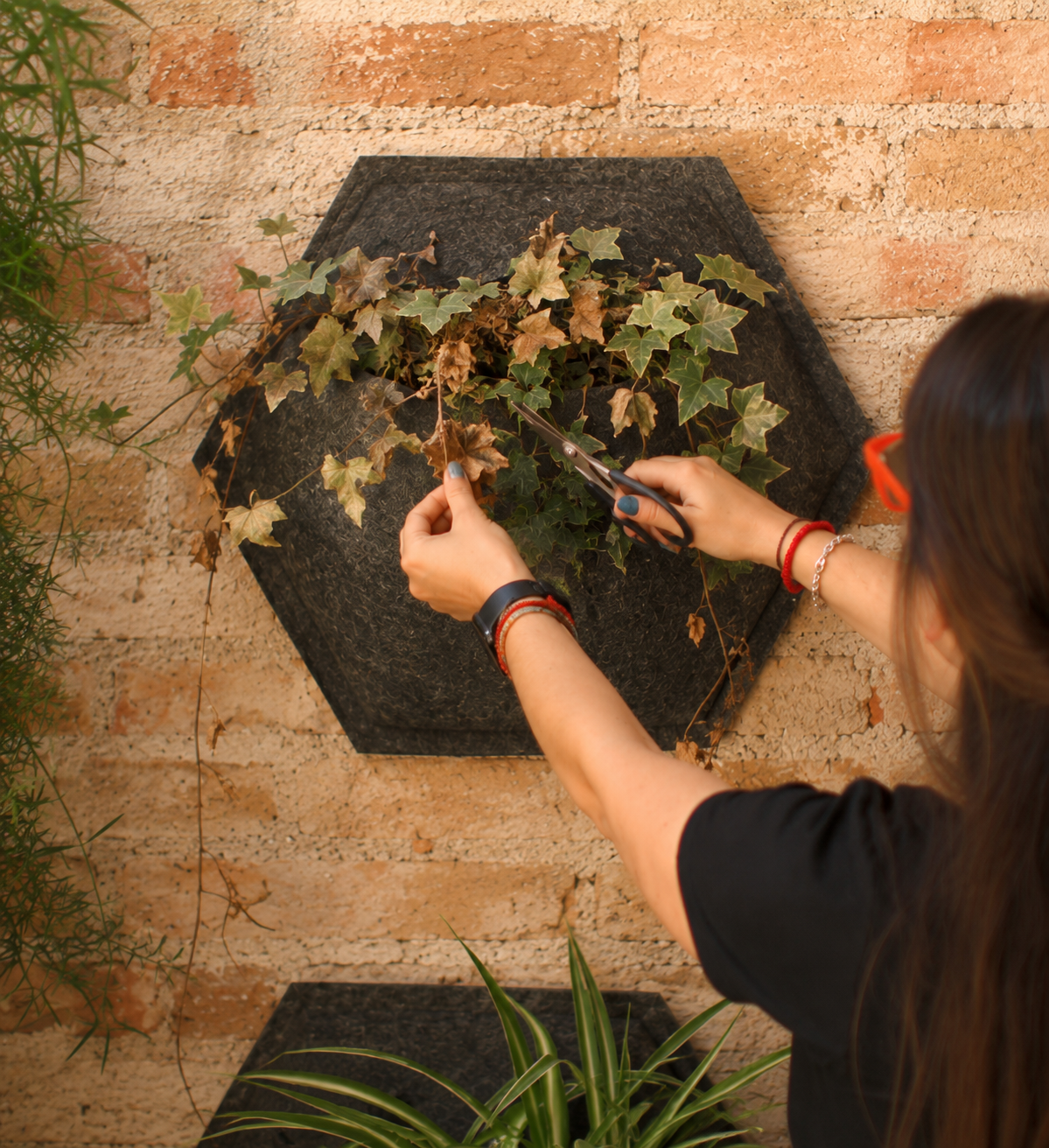
Removing leaves and stems that are completely dry, yellow or damaged helps tidy up the plant and makes it much easier to see which parts are still healthy.
There is no need for drastic pruning. In fact, if your plant has experienced heat or water stress, it is better to start gradually. Cut off only the parts that are clearly damaged and keep any leaves that still have a good proportion of green tissue. These leaves remain useful to the plant while new shoots appear.
TIP: use clean scissors and make clean cuts to avoid damaging the stems.
.
.
2. Check the leaves and stems: are there pests or fungi?
.
While you are looking closely at your plant, take the opportunity to give it a quick check-up. Pay particular attention to the undersides of leaves, new shoots, the points where leaves meet stems and the plant's more hidden areas. Some pests often settle in precisely these places.
Are there tiny insects or sticky leaves? You may be dealing with a pest infestation.
Aphids, scale insects, thrips, red spider mites and whiteflies are some of the regular visitors to our plants. Some sap-sucking pests also produce a sticky substance on leaves and stems, which can be a useful clue for detecting them.
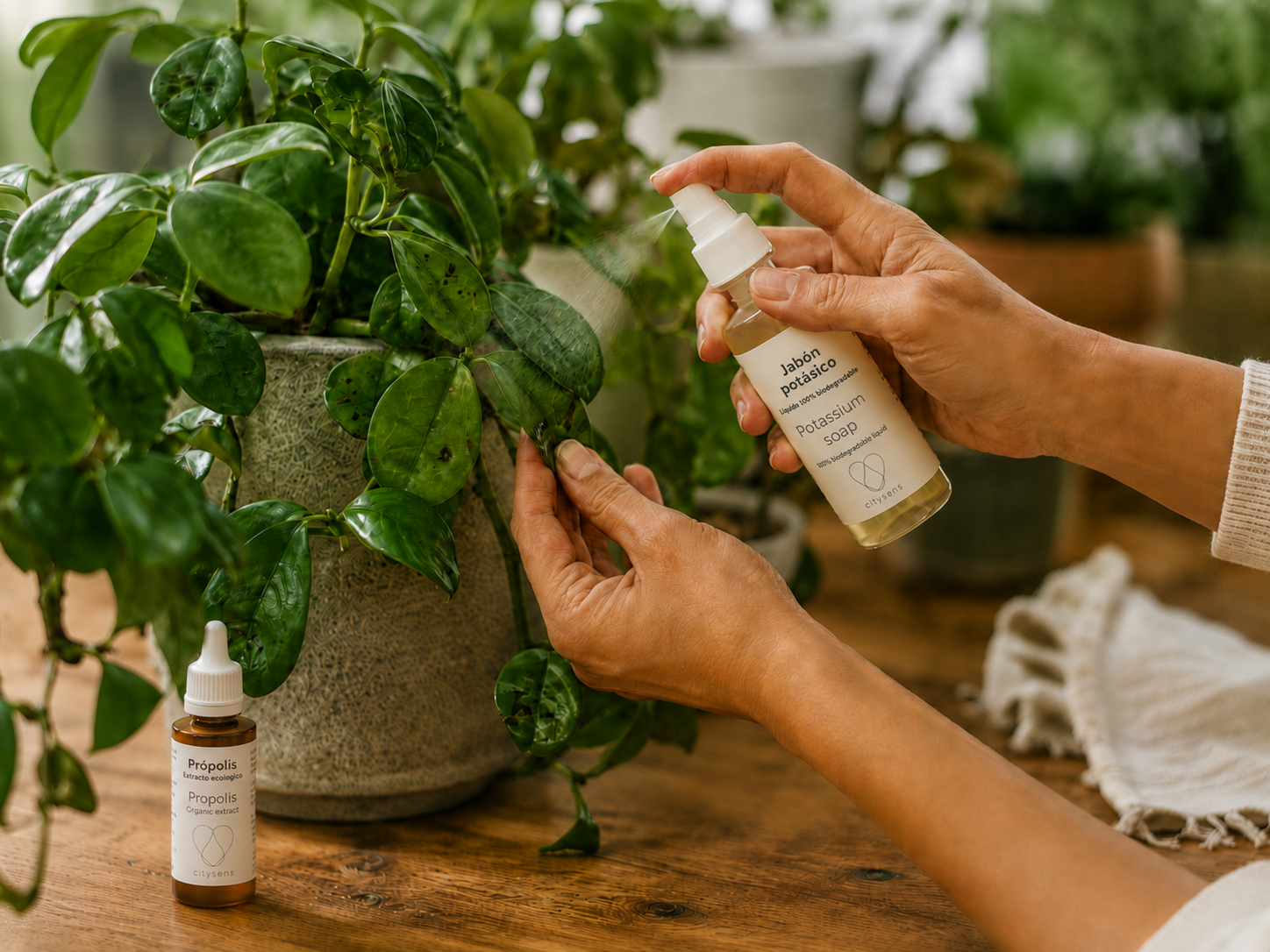
In these cases, you can use CitySens ECO insecticide with potassium soap, made from plant-derived fatty acids and designed to act on insects, larvae and eggs. CitySens recommends it for common pests such as whiteflies, red spider mites, thrips, scale insects and aphids.
Have you noticed spots, mould or signs of fungi?
If you have identified a fungal problem, the ECO fungicide with propolis can help. Propolis is a naturally occurring substance produced by bees, and the CitySens product is indicated for various fungal problems, including powdery mildew, botrytis, fusarium and alternaria.
It is also advisable to remove dead plant material and review the environmental conditions: insufficient ventilation and leaves staying wet for too long can encourage certain fungal problems.
.
.
3. Once it starts to recover, give it a boost
.
After pruning, adjusting watering and checking for pests and fungi, it is time to be patient.
Look for small signs of recovery: leaves becoming firm again, new shoots or simply the plant no longer getting worse.
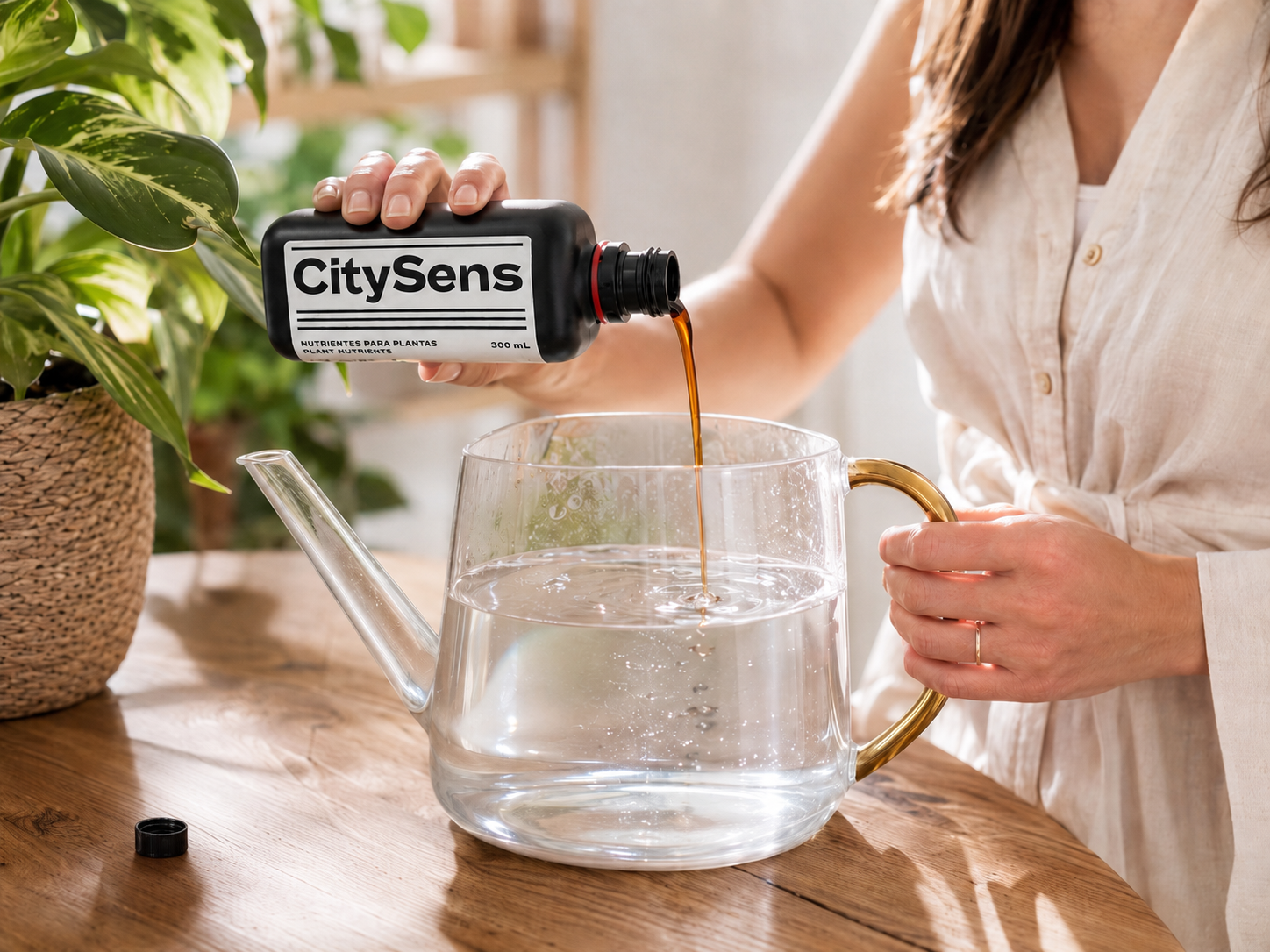
Once it is hydrated and stable again, you can support its growth with some nutrients.
CitySens nutrients contain a combination of 14 mineral elements and can be used for plants grown in soil as well as in hydroponic systems. Here is one important rule: more nutrients do not mean a faster recovery.
Do not apply fertiliser to completely dry potting mix, and always follow the recommended dosage. Problems with watering, light or roots need to be resolved before trying to compensate for them by adding more nutrients.
.
.
What if it needs all three?
.
That is exactly what our ECO plant first aid kit is for:
- Nutrients, to support your plants' growth.
- Potassium soap, to treat some of the most common pests.
- Propolis, to help with various fungal problems.
It also includes two small spray bottles for preparing and applying the treatments. Before giving up on your plant... Remember that plants also go through better and worse periods. What matters is observing what has changed, identifying what they need and giving them time to respond.
So if one of your plants was not looking its best when you returned from your holiday: prune, check and, once it is ready, give it a little boost.
Perhaps it just needs a little help to start growing again.
.
.
.
Comments
No comment at this time!
Leave your comment